Big Data in Healthcare: Analytics & AI for Patient Care
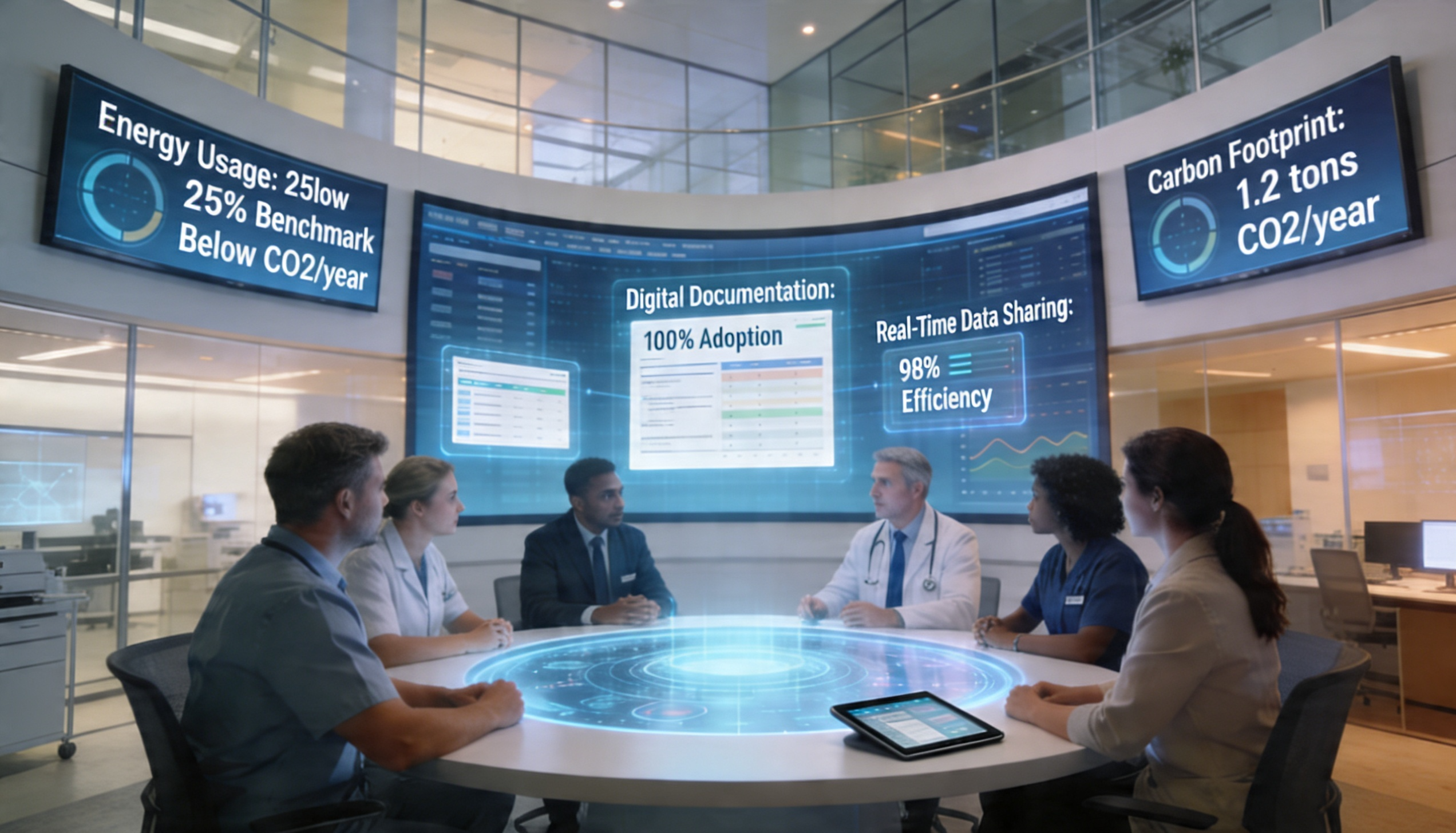
Big Data in healthcare is revolutionizing patient care. By leveraging AI, advanced analytics, and responsible data governance, hospitals and clinics can improve outcomes, enhance efficiency, and enable predictive, data-driven decision-making that benefits patients, medical staff, and healthcare systems alike.
What is Big Data in Healthcare?
Big Data in healthcare refers to the vast volume, variety, and velocity of health-related data generated across the industry. This includes:
- Electronic Health Records (EHRs) – Patient histories, diagnoses, treatments, medications, and lab results.
- Medical Imaging – X-rays, MRIs, and CT scans.
- Wearables and IoT Devices – Continuous monitoring of patient health.
- Clinical Notes and Genomic Data – Unstructured text and DNA sequences.
- Administrative and Billing Records – Hospital operations and insurance claims.
Applying analytics and AI to this data can enhance decision-making, improve patient outcomes, and increase operational efficiency.
Key Characteristics of Healthcare Big Data
- Volume – Healthcare systems generate enormous datasets, from patient histories to IoT streams.
- Variety – Data is structured, semi-structured, or unstructured. It includes clinical notes, genomic information, and imaging files.
- Velocity – Health data is produced continuously, requiring near real-time processing for timely interventions.
- Veracity – Accuracy and reliability are critical. Poor-quality data can lead to errors in diagnosis or treatment.
How Big Data and AI Transform Patient Care
Healthcare organizations use Big Data analytics to drive insights across multiple domains:
1. Disease Surveillance and Outbreak Prediction
Big Data analysis can monitor and analyze data from various sources, such as electronic health records (EHRs), social media, and internet searches, to detect disease outbreaks and epidemics early. This allows for prompt response and containment efforts.
2. Clinical Decision Support
AI-powered tools help physicians make informed treatment choices by analyzing patient records, research findings, and best practices. This reduces errors and enhances outcomes.
3. Patient Risk Stratification
Healthcare organizations can use Big Data to identify high-risk patients who may require more intensive monitoring and care management. This proactive approach can help prevent hospital readmissions and improve patient outcomes.
4. Genomic Medicine
Big Data analytics enables the analysis of massive genomic datasets to identify genetic markers associated with diseases. This information can lead to personalized treatment plans and drug development tailored to an individual’s genetic profile.
5. Drug Discovery and Development
Pharmaceutical companies leverage Big Data to analyze vast datasets, including clinical trial data and drug interactions, to expedite drug discovery, development, and testing processes.
6. Fraud Detection and Billing Optimization
Big Data analytics can identify fraudulent insurance claims and billing errors, helping healthcare providers and payers save costs and improve revenue cycle management.
7. Remote Patient Monitoring
IoT devices and wearables collect continuous health data from patients. Big Data analytics processes this information to monitor patients remotely, detect anomalies, and trigger alerts for timely intervention.
8. Predictive Analytics for Hospital Operations
Hospitals can optimize staffing, bed management, and resource allocation, reducing overcrowding and improving patient flow.
9. Patient Engagement and Personalized Care
AI-driven insights enable tailored treatment plans, lifestyle recommendations, and preventive care strategies.
10. Population Health Management
Data analysis identifies trends and interventions for community health programs, preventive care, and epidemic response.
11. Image and Speech Analysis
Machine learning improves diagnosis from imaging and speech patterns, enabling early detection of diseases.
12. Clinical Research and Trials
Big Data uncovers patterns in trial results and patient outcomes, accelerating medical research.
13. Healthcare Supply Chain Optimization
Analytics improve inventory management, minimize waste, and ensure critical medical supplies are available.
14. Telemedicine and Telehealth
Data-driven insights enhance virtual care, monitor patient engagement, and improve treatment outcomes.
Example: AI-Driven Eye Disease Prediction
In 2024, DeepMind Health used retinal scans and Big Data analytics to predict over 50 eye diseases. This showcases how predictive analytics can improve early diagnosis and preventive care.
Challenges in Healthcare Big Data
Despite its potential, Big Data in healthcare faces key challenges:
- Data Privacy and Security – Protecting sensitive patient information is paramount. Compliance with regulations like HIPAA or GDPR is mandatory.
- Data Quality and Accuracy – Errors in records or sensors can lead to misdiagnosis or treatment mistakes.
- Data Integration and Interoperability – Systems often store data in incompatible formats. Standardization is necessary.
- Ethical Considerations – Consent, anonymization, and data reuse must respect patient rights.
- Volume and Scalability – Managing massive datasets requires infrastructure capable of storing and processing petabytes securely.
- Skilled Personnel Shortage – Limited expertise in data science hinders adoption.
- Implementation Costs – AI and analytics platforms demand investment in technology and training.
- Bias in Algorithms – Unchecked bias can result in unfair outcomes or inequitable care.
Addressing these requires collaboration between healthcare professionals, IT experts, and policymakers.
Protecting Patient Privacy and Data Security
Healthcare providers must implement robust measures:
- Data Encryption – Protects data in transit and at rest.
- Access Control – Only authorized personnel can access sensitive data.
- Employee Training – Staff education prevents human errors that compromise security.
- Medical Device Security – Regularly update IoT and connected devices to prevent breaches.
- Data Backup and Recovery – Disaster recovery plans ensure data availability.
- Vendor Risk Management – Ensure third-party compliance with security standards.
- Data Minimization – Collect only necessary patient information.
- Incident Response – Procedures for quick action in case of breaches.
- Regulatory Compliance – Stay current with HIPAA, GDPR, and local laws.
- Continuous Monitoring and Auditing – Detect suspicious activity proactively.
- Data De-Identification – Anonymize data for research while preserving privacy.
- Secure Telemedicine Practices – Use encrypted platforms for remote consultations.
- Penetration Testing – Regularly test for vulnerabilities.
- Secure Data Disposal – Safely destroy devices or documents containing sensitive information.
Advance Your Career in Data Analytics and AI
Understanding Big Data, AI, and ethical governance is critical for healthcare and business innovation. Explore globally recognized certifications under the DASCIN Enterprise Big Data Framework (EBDF):
-
Enterprise Big Data Professional (EBDP®) – Foundational skills in Big Data analytics.
-
AI Fundamentals (AIFU®) – Learn AI, ethics, and responsible innovation.
-
GDPR Awareness – Strengthen compliance knowledge for healthcare data protection.
Knowledge - Certification - Community