Big Data Business Drivers: Key Factors for Success
Explore the top big data business drivers that boost enterprise growth, from digitization, cloud computing, and AI to IoT, social media, and lower tech costs.

Big Data Business Drivers: How They Drive Enterprise Success
Big data business drivers are essential for modern enterprises to gain a competitive edge. Companies like Apple, Amazon, Facebook, and Netflix have integrated these drivers into their strategies, using data to improve efficiency, reduce costs, and create new business opportunities.
By understanding and leveraging these big data business drivers, organizations can turn massive data streams into actionable insights that fuel growth and innovation.
1. Digitization of Society Accelerates Data Generation
Today, most data comes from consumers who are constantly online. People spend 4–6 hours daily generating data through devices and applications. Each click, swipe, or message adds new data to global databases.
By 2025, global data creation is expected to surpass 180 zettabytes annually. AI-powered assistants and immersive digital environments are accelerating data generation even further. The speed and volume of this data emphasize why digitization remains a core big data business driver.
2. Declining Technology Costs as a Big Data Business Driver
Technology for processing high-variety, massive data is now more affordable. Storage and processing costs continue to decline, making Big Data solutions accessible even to smaller businesses.
Open-source frameworks like Apache Hadoop, Apache Spark, and cloud-native tools such as AWS Glue and Google BigQuery lower entry barriers. Combined with generative AI coding tools, these technologies make building scalable Big Data ecosystems achievable at a fraction of previous costs.

Figure 1: Historical Costs of Computer Memory, reprinted from McCallum and Blok, 2017
3. Cloud Computing as a Strategic Big Data Business Driver
Cloud environments allow organizations to scale IT infrastructure quickly and pay only for what they use. Multi-cloud and hybrid strategies are now common, enabling cost-effective and compliant solutions.
Edge computing complements cloud systems by processing data closer to its source, such as in IoT devices and smart manufacturing. Today, cloud computing remains a fundamental big data business driver for enterprises seeking agility and efficiency.
4. Growing Knowledge of Data Science Drives Big Data Strategy
The rise of the data scientist role has professionalized data knowledge. As organizations increasingly rely on analytics, hybrid skill sets combining data engineering, machine learning, and ethical AI literacy are in demand.
Upskilling and certifications like DASCIN’s Enterprise Big Data Framework programs help professionals stay current, reinforcing data-driven strategies as a key big data business driver.
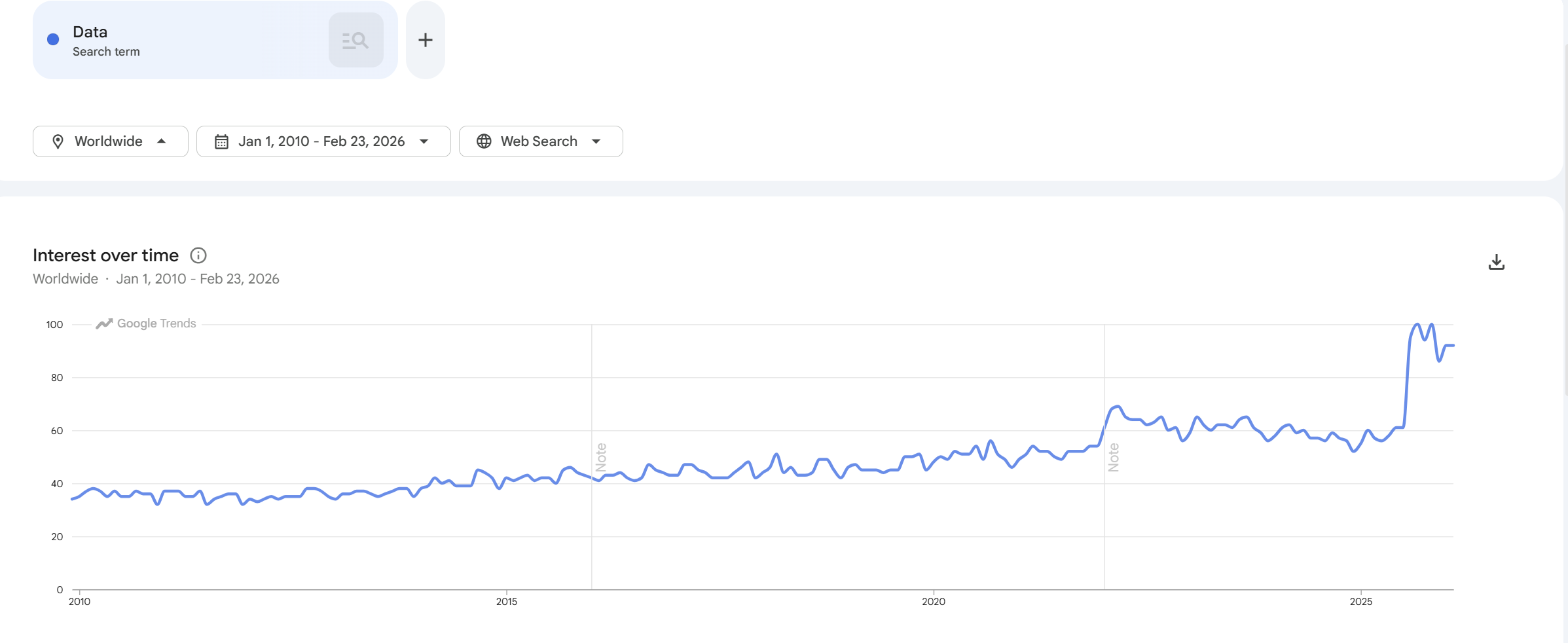
Figure 2: Increased knowledge about data science
5. Growing Data Science Knowledge Drives Big Data Business Success
Social media platforms generate massive volumes of user data. This data offers real-time insight into consumer behavior, preferences, and sentiment.
AI-assisted social analytics, influencer data, and sentiment mining provide actionable intelligence. Enterprises integrating these insights into predictive analytics gain measurable competitive advantages, making social media a critical big data business driver.
6. Internet of Things (IoT) Expands Data Sources
IoT devices ranging from smart home systems to industrial sensors generate continuous data streams. By 2025, households may exceed 70 connected devices, while industrial IoT grows rapidly.
AIoT (AI integrated with IoT) enables real-time edge decision-making, predictive maintenance, and operational intelligence. The massive, continuous data produced positions IoT as one of the fastest-growing big data business drivers.
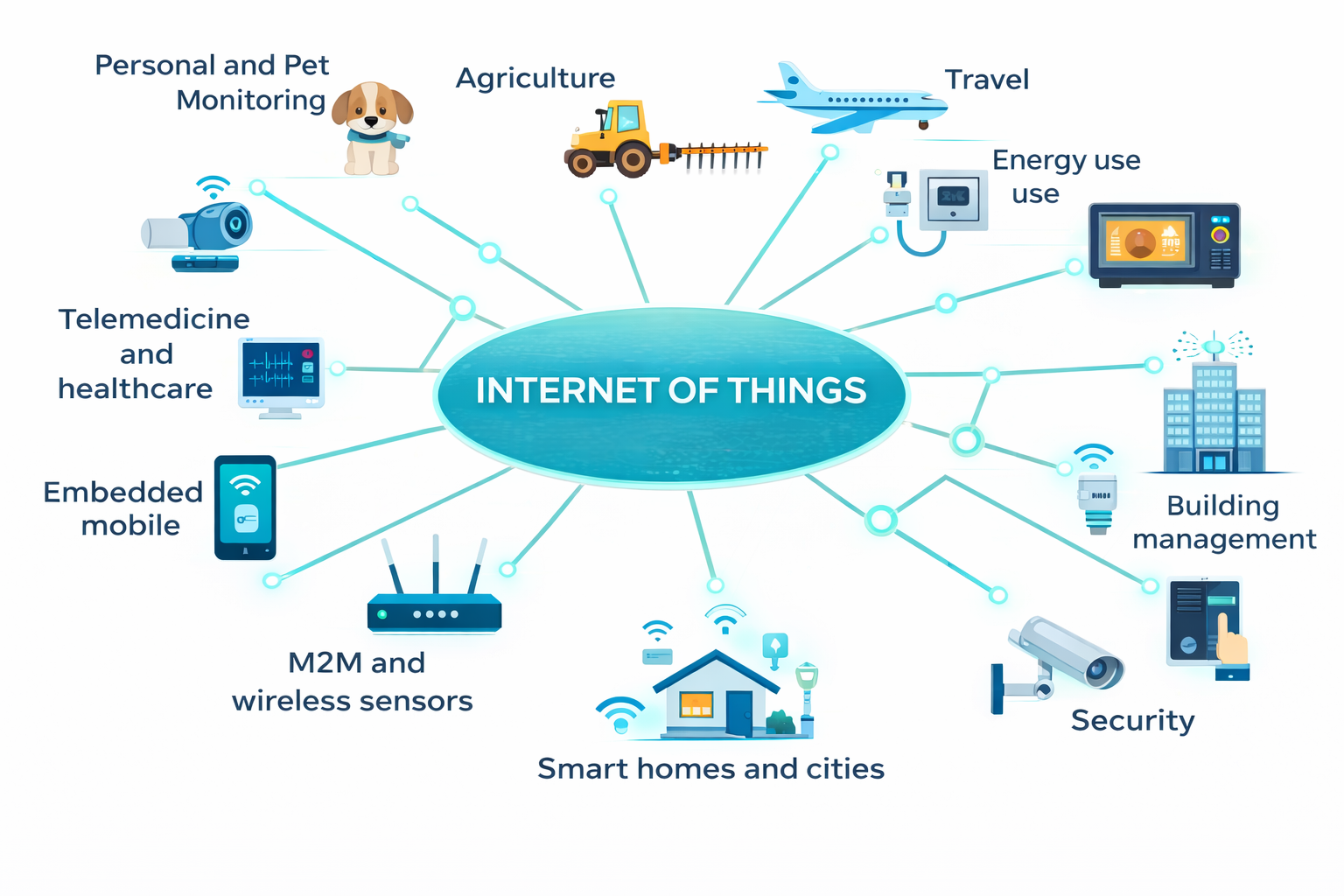
Figure 3: The Internet of things (IoT)
Summary
The six main big data business drivers which are digitization, falling technology costs, cloud computing, data science knowledge, social media, and IoT fuel enterprise growth and competitive advantage.
Organizations that align strategy with these drivers can reduce costs, generate new revenue streams, and harness the full potential of Big Data in a rapidly evolving digital landscape.
Knowledge - Certification - Community