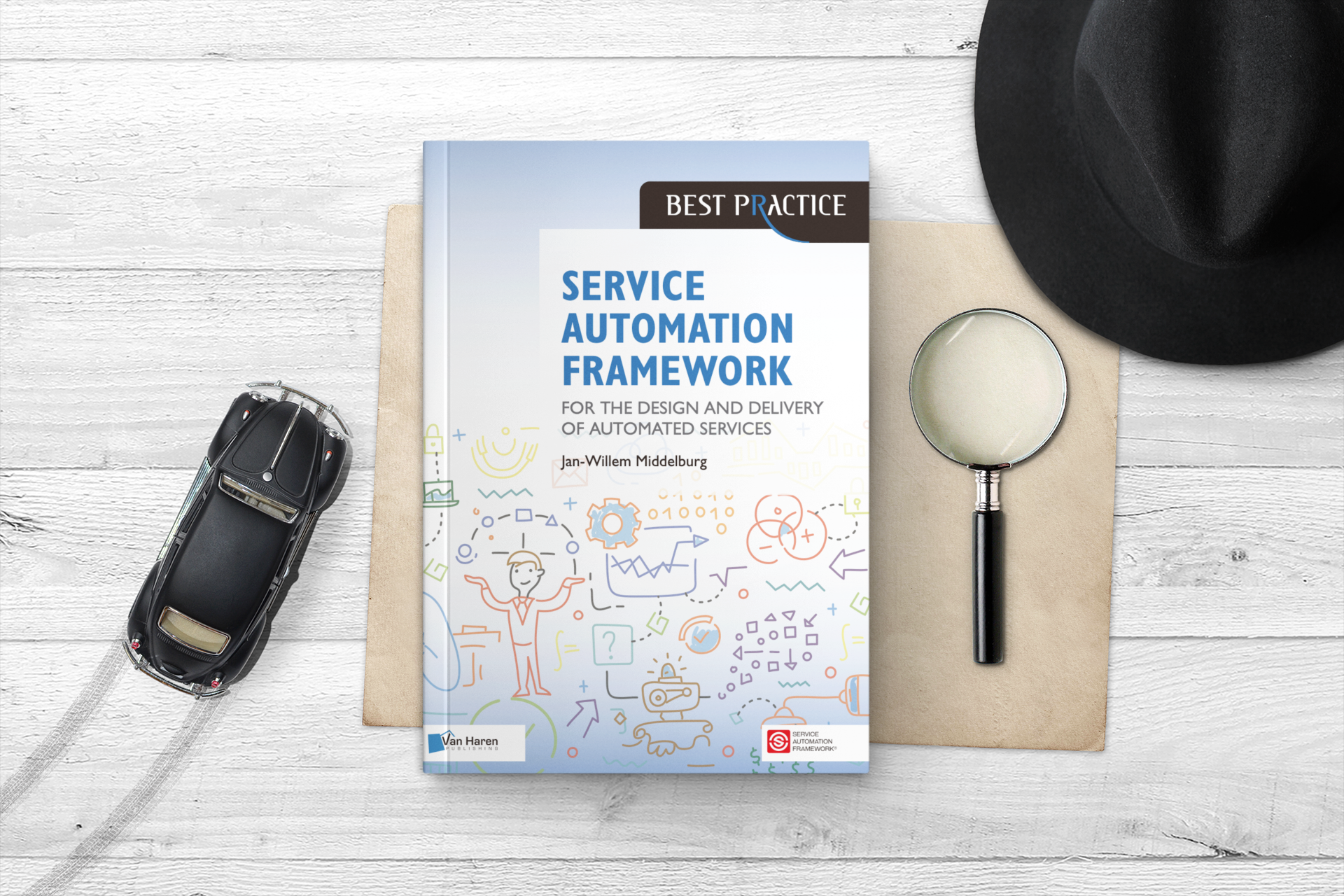
Understanding Automated Delivery Models
Automated delivery models transform service delivery by leveraging AI, workflow automation, and seamless integration to enhance efficiency, scalability, and user experience. As businesses adopt these models, they achieve greater consistency, reduced manual effort, and data-driven service improvements.

Introduction to Automated Delivery Models
As organizations continue to embrace service automation, the way services are designed, delivered, and consumed is undergoing a fundamental transformation. Automated delivery models serve as the foundation for this transformation, enabling businesses to provide efficient, scalable, and user-centric services. These models define how automation interacts with users, systems, and workflows to streamline operations and enhance service experiences.
Automated delivery models leverage technologies such as artificial intelligence, self-service portals, workflow automation, and robotic process automation to create seamless service interactions. Whether it is an internal business function or a customer-facing service, automation ensures consistency, reliability, and efficiency in service delivery. By implementing structured automation frameworks, organizations can optimize resource utilization, minimize human intervention, and improve overall service performance.
One of the key advantages of automated delivery models is their ability to accommodate diverse user needs while maintaining standardization across services. This balance between personalization and automation allows businesses to scale their services effectively without compromising quality. Additionally, automated delivery models provide real-time data insights, enabling continuous improvement and adaptive service strategies.
In this article, we will explore the key characteristics of automated delivery models, the role of users and service providers, and the various components that contribute to a successful automated service ecosystem. Understanding these elements is essential for organizations looking to harness the full potential of service automation and enhance the efficiency of their operations.
Automated delivery models are structured frameworks that define how services are provided using technology-driven automation. These models determine the extent to which human intervention is required in service processes, ranging from partially automated workflows to fully autonomous services. By leveraging artificial intelligence, machine learning, and robotic process automation, organizations can streamline operations, reduce manual effort, and improve service quality.
A key function of automated delivery models is to ensure seamless interactions between users and service providers. This is achieved through self-service portals, automated workflows, and AI-powered chatbots that guide users through service requests, issue resolution, and decision-making processes. The goal is to create an efficient and intuitive service experience that meets user needs with minimal friction.
Modern service delivery is increasingly dependent on automated models to meet the growing demand for speed, accuracy, and scalability. Businesses across various industries—such as finance, healthcare, retail, and IT services—are adopting automation to improve operational efficiency and customer satisfaction. Automated delivery models help organizations standardize processes, enforce compliance, and eliminate bottlenecks that typically arise in manual service delivery.
Furthermore, these models play a critical role in enabling real-time data collection and analytics. By continuously monitoring service performance and user interactions, organizations can identify trends, optimize workflows, and enhance decision-making. This data-driven approach allows for continuous service improvement, ensuring that automated delivery remains aligned with evolving business objectives and user expectations.
Key Components of Automated Delivery Models
Automated delivery models rely on a combination of technologies and frameworks to function effectively. The key components that enable these models include self-service portals, AI-driven decision-making, workflow automation, and integration with enterprise systems. Each of these elements plays a crucial role in ensuring that automation delivers seamless, efficient, and high-quality service experiences.
1. Self Service Portals
Self-service portals serve as the primary interface between users and automated services. These portals allow users to initiate service requests, access support resources, and manage their accounts without requiring direct human assistance. By providing intuitive, user-friendly interfaces, self-service portals empower customers and employees to resolve issues and fulfill their needs efficiently. Many organizations integrate knowledge bases, chatbots, and virtual assistants within these portals to enhance usability and responsiveness.
2. AI-Driven Decision-Making
Artificial intelligence is a fundamental component of modern automated delivery models. AI-driven decision-making enables systems to analyze large datasets, recognize patterns, and make informed decisions in real time. Machine learning algorithms continuously improve service accuracy and efficiency by learning from past interactions. For example, AI can prioritize support tickets, recommend solutions, and predict potential service disruptions before they occur. This level of intelligence enhances automation’s ability to deliver proactive and personalized service experiences.
3. Workflow Automation
Workflow automation streamlines complex business processes by automating repetitive tasks and coordinating multiple actions seamlessly. This includes automated approvals, task assignments, and event-triggered notifications. Workflow automation ensures consistency in service delivery while reducing human error and manual workload. Organizations use workflow automation to accelerate processes such as employee onboarding, IT service management, and customer request handling.
4. Integration with Enterprise Systems
To function effectively, automated delivery models must integrate with existing enterprise systems, such as customer relationship management (CRM), enterprise resource planning (ERP), and IT service management (ITSM) platforms. Seamless integration enables data exchange between different business functions, ensuring that automated processes operate cohesively across departments. For example, an automated service request system can integrate with an ERP platform to track resource availability and initiate necessary actions without manual intervention.
By combining these key components, automated delivery models create a robust framework that enhances efficiency, reduces costs, and improves service quality. Organizations that successfully implement these elements gain a competitive advantage by delivering faster, more reliable, and highly scalable services tailored to user needs.
Types of Automated Delivery Models
Automated delivery models can take various forms depending on the level of automation and the type of services provided. The most common types include on-demand service automation, hybrid automation models, and fully autonomous services. Each model offers unique advantages and is suited to different business needs and operational structures.
On-Demand Service automation
On-demand service automation allows users to access and utilize services as needed without human intervention. This model is widely used in cloud computing, ride-hailing services, and digital content delivery. For example, cloud platforms provide scalable infrastructure where users can deploy virtual machines, storage, and applications in real-time. Similarly, services like Uber and Netflix automate service provisioning based on user preferences and demand.
Hybrid automation Models
Hybrid automation combines human decision-making with automated processes to enhance efficiency while maintaining flexibility. This model is common in industries where full automation is not feasible due to regulatory or complex decision-making requirements. For instance, financial services often use hybrid automation, where AI-driven algorithms analyze transactions for fraud, but human experts review and approve critical cases. This approach balances speed and accuracy with oversight and adaptability.
Fully Autonomous Services
Fully autonomous services operate without human involvement, relying entirely on AI, machine learning, and robotics to deliver services. These models are becoming increasingly prevalent in sectors such as autonomous vehicles, robotic warehouses, and AI-powered customer support. For example, Amazon’s fulfillment centers use autonomous robots to manage inventory, optimize logistics, and expedite order processing. The goal of fully autonomous services is to achieve maximum efficiency, scalability, and cost savings.
Conclusion
As organizations continue to advance their automation strategies, automated delivery models will remain a cornerstone of modern service ecosystems. By leveraging AI-driven decision-making, workflow automation, and seamless system integration, businesses can achieve greater efficiency, scalability, and service quality. Whether through on-demand services, hybrid automation, or fully autonomous operations, these models empower organizations to meet evolving user expectations while optimizing resource utilization. As technology progresses, the future of service delivery will be increasingly intelligent, adaptive, and data-driven—paving the way for innovation and sustainable business growth.
Knowledge - Certification - Community