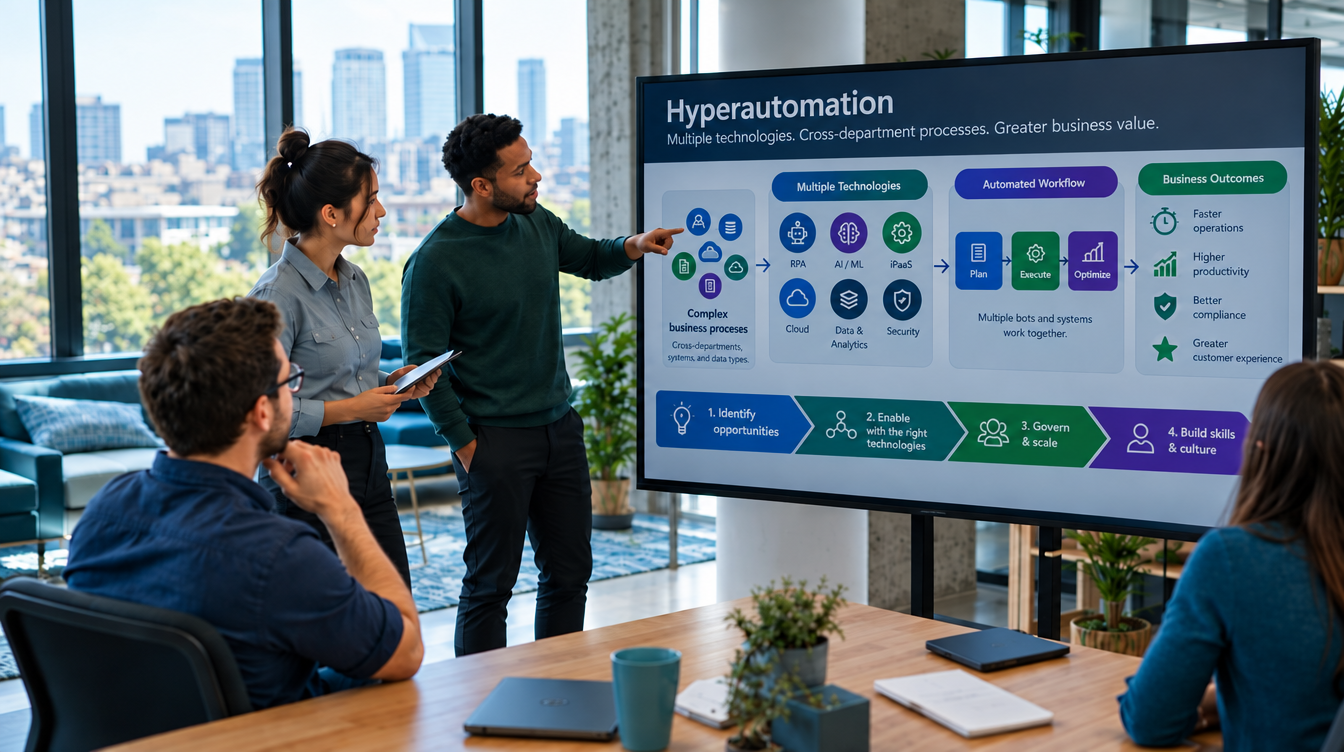
The Service Automation Framework Explained
The Service Automation Framework provides a comprehensive structure for designing and delivering automated services. By integrating the six key components - User, Service Design, Technology Interface, Automated Deployment Processes, Automated Support Processes, and Serendipity Processes - organizations can create scalable, efficient, and user-centric automation strategies.
Introduction to the Service Automation Framework
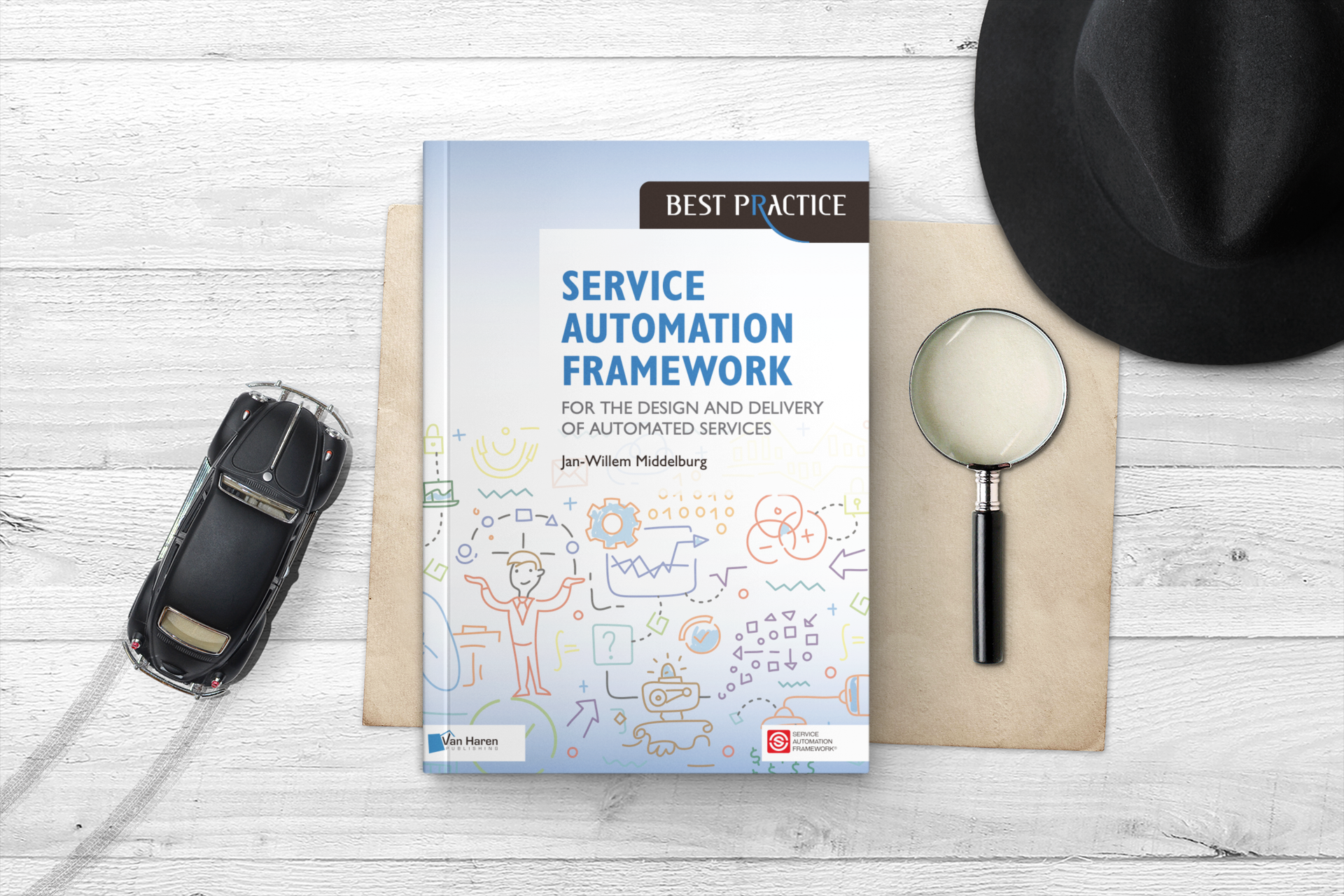
The Service Automation Framework provides a structured approach to establishing an Automated Delivery Model, as discussed in this article. It serves as a foundation for organizations seeking to implement service automation effectively while addressing the challenges outlined in the previous sections. By offering a clear methodology, the framework enables businesses to design, implement, and optimize automated services in a systematic manner.
Developed by Jan-Willem Middelburg, the Service Automation Framework has been adopted by leading organizations worldwide since its introduction in 2017. The methodology is designed to help enterprises create scalable, user-centric, and efficient automated service models. It combines principles of service design, automation technology, and user experience to ensure that automated services meet both business and customer expectations.
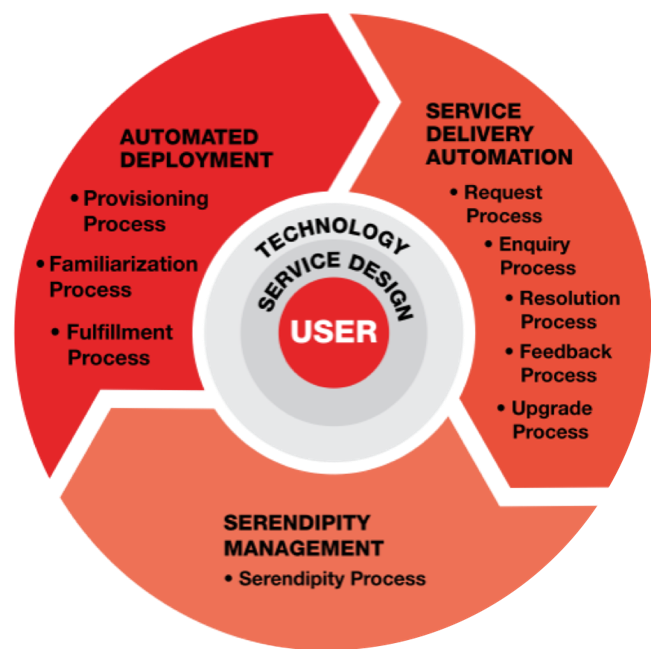
The Service Automation Framework, reprinted with permission
The Structure of the Service Automation Framework
The Service Automation Framework consists of six key components that together form a holistic model for the design and delivery of automated services. These components ensure that automation initiatives are structured, scalable, and aligned with business goals. The framework is divided into two major categories: three components focused on design and three components focused on delivery of automated services.
The Three Design Components
The core of the framework consists of three interconnected components that are essential for designing automated services. These components ensure that automation is user-centric and aligned with the needs of the business.
1) The User
The User is at the center of service automation. Understanding user needs, preferences, and behaviors is crucial for designing effective automated services. User experience (UX) principles guide the design process to ensure that automated services are intuitive, accessible, and beneficial to the end-users.
To successfully integrate users into the automation framework, organizations must conduct thorough research, gather feedback, and implement personalization strategies. By prioritizing user satisfaction, businesses can increase adoption rates and improve overall service effectiveness.
2) Service Design
Service Design focuses on structuring and defining automated services to ensure they provide consistent value. This involves mapping out the customer journey, defining service workflows, and identifying critical touchpoints where automation can enhance efficiency and effectiveness.
A well-designed automated service should integrate seamlessly with existing business processes while reducing friction for users. This requires collaboration between designers, developers, and business analysts to create a blueprint that aligns with both user expectations and organizational goals.
3) Technology Interface
The Technology Interface serves as the bridge between users and automated services. It includes self-service portals, mobile applications, chatbots, and other digital interfaces that facilitate user interactions with automated systems.
An effective technology interface should be intuitive, responsive, and adaptive to different user needs. Organizations must invest in modern technologies, such as artificial intelligence (AI) and machine learning (ML), to enhance the interface’s capabilities and provide a seamless user experience.
The Three Delivery Components
The outer layer of the Service Automation Framework consists of three components that focus on the operational aspects of delivering automated services. These components ensure that automation initiatives are effectively implemented, managed, and optimized over time.
4) Automated Deployment Processes
Automated Deployment Processes involve the systematic rollout and management of automated services. This includes provisioning resources, configuring systems, and deploying updates with minimal human intervention.
Organizations must establish robust deployment pipelines that enable continuous integration and continuous deployment (CI/CD). By leveraging automation tools and frameworks, businesses can ensure that new features and updates are delivered efficiently without disrupting service availability.
5) Automated Support Processes
Automated Support Processes focus on maintaining service quality and resolving issues proactively. This includes the use of AI-powered chatbots, automated ticketing systems, and predictive analytics to identify and address potential problems before they impact users.
A strong automated support system reduces the burden on human support teams while improving response times and service reliability. Organizations should continuously refine these processes to enhance customer satisfaction and operational efficiency.
6) Serendipity Processes
Serendipity Processes refer to the ability of automated services to deliver unexpected value beyond their intended functionality. These processes involve leveraging data analytics, AI, and machine learning to provide personalized recommendations, anticipate user needs, and drive continuous improvements.
For example, an automated customer service platform can use predictive analytics to suggest additional products or services based on user behavior. By integrating serendipity processes, businesses can create a more engaging and value-driven user experience.
Summary
The Service Automation Framework provides a comprehensive structure for designing and delivering automated services. By integrating the six key components – User, Service Design, Technology Interface, Automated Deployment Processes, Automated Support Processes, and Serendipity Processes – organizations can create scalable, efficient, and user-centric automation strategies.
This structured approach ensures that automation initiatives align with business goals, enhance user experiences, and drive long-term success. In the following chapters, we will explore each component in greater detail, providing practical insights and best practices for implementing the Service Automation Framework effectively.
Knowledge - Certification - Community