Big Data in Agriculture for Smarter Farming
Big Data in Agriculture empowers farmers to optimize crops, monitor soil and weather, and make data-driven decisions that boost productivity and sustainability.
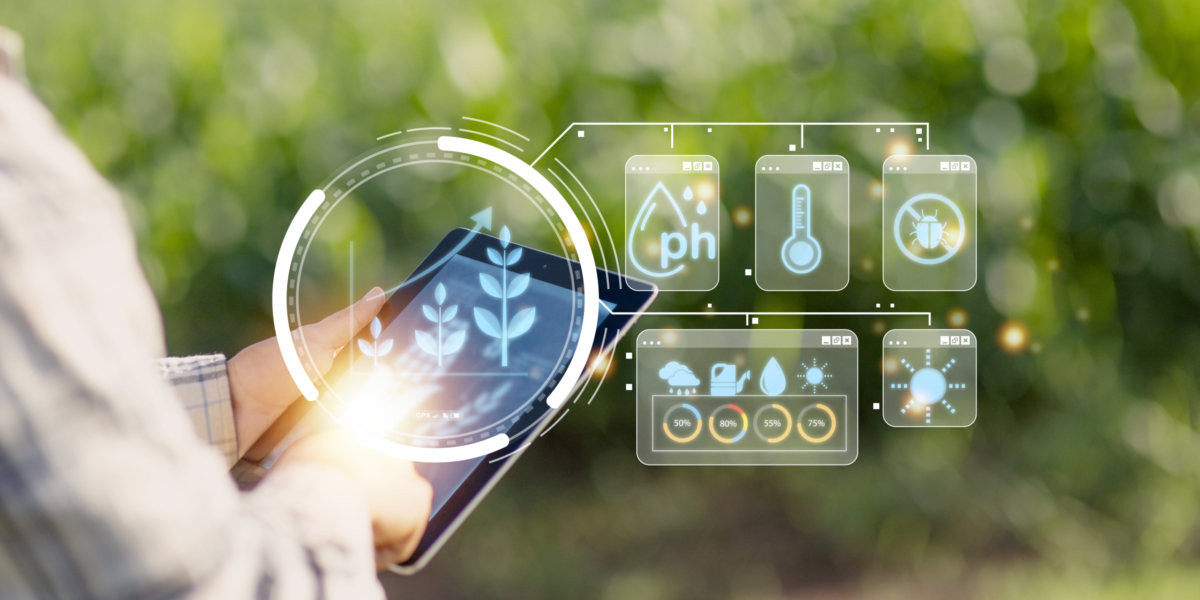
The agriculture industry is evolving rapidly with the integration of Big Data in Agriculture. By collecting and analyzing information from soil, weather, crops, and livestock, farmers can make smarter, data-driven decisions. This approach improves crop yields, reduces waste, and encourages sustainable practices.
Beyond just productivity, Big Data in Agriculture helps farmers adapt to climate change, anticipate pest threats, and improve resource management. In this article, we explore its applications, technologies, and real-world examples.
How Data Analytics is Changing Farming
Big Data in Agriculture comes from multiple sources: sensors in fields, drones, satellites, weather stations, and farm equipment. These sources provide detailed information about crop growth, soil composition, livestock health, and local climate. When combined with analytics, this data allows farmers to make informed decisions throughout the farming cycle.
1. Precision Farming for Higher Yields
With precision farming techniques, Big Data is used to tailor planting, irrigation, and fertilization to each section of farmland. GPS-enabled tractors and sensor networks collect real-time data on soil nutrients, moisture levels, and plant growth. Analytics then provides actionable recommendations, minimizing waste while maximizing yields.
2. Monitoring Crops and Preventing Disease
Satellite imagery and drones provide high-resolution views of crops. Predictive analytics detects early signs of disease or nutrient deficiencies. Farmers can respond quickly, reducing potential losses. Real-time monitoring ensures healthier crops and more efficient resource use.
3. Forecasting Weather and Managing Risk
Accurate weather forecasting is crucial for farming. Analytics uses historical and current weather data to predict rainfall, temperature fluctuations, and extreme events. Farmers can plan planting and harvesting schedules with confidence, minimizing crop loss due to unexpected weather events.
4. Livestock and Resource Management
Big Data helps livestock farmers track health and behavior through wearable sensors. Analytics tools alert farmers to potential health issues and optimize feeding schedules. Similarly, data-driven irrigation and water management systems ensure resources are used efficiently, promoting sustainability.
5. Supply Chain Efficiency and Market Insights
Data-driven agriculture extends beyond farms. Analytics helps optimize storage, transportation, and market planning. By examining trends in pricing, demand, and consumer preferences, farmers can make informed decisions on crop selection and sales strategies, improving profitability and reducing food waste.
Emerging Technologies Supporting Smart Farming
The combination of AI and Big Data is creating predictive agriculture. Machine learning models forecast yields, anticipate pest outbreaks, and recommend the best times to plant or harvest. AI-powered image recognition supports real-time crop diagnostics using smartphones, giving farmers instant insights.
The Internet of Things (IoT) connects smart sensors, tractors, and irrigation systems to central dashboards. This enables immediate, data-backed operational adjustments that minimize waste and maximize productivity.
Big Data also drives sustainable farming practices. Analytics tracks water usage, monitors soil health, and helps design climate-smart initiatives. These insights guide governments and organizations to implement policies that balance productivity with environmental preservation.
Real-World Applications
- John Deere’s Precision Agriculture: John Deere, a leading manufacturer of agricultural machinery, offers precision agriculture solutions that incorporate Big Data. Their tractors and equipment are equipped with sensors and GPS technology to collect data on soil conditions, crop health, and yield. Farmers can use this data to optimize planting, fertilization, and harvesting processes.
- The Climate Corporation (Climate.com): This company, now a subsidiary of Bayer, uses Big Data and AI to provide farmers with valuable insights. Their platform, Climate FieldView, collects data on soil, weather, and crop performance to help farmers make data-driven decisions about planting and resource allocation.
- Satellite Imaging for Crop Health: Companies like Planet and Airbus provide high-resolution satellite imagery that can be used to monitor crop health. For instance, a farmer could identify areas of a field that need more water or nutrients based on these images.
- The IBM Watson Decision Platform for Agriculture: IBM’s AI-powered platform analyzes data from weather forecasts, IoT sensors, and other sources to provide farmers with recommendations for crop management, disease prevention, and yield optimization.
- Microsoft AI for Earth Initiative: Predictive modeling supports sustainable farming practices, helping farmers respond to changing climates.
Conclusion
Big Data in Agriculture is transforming farming into a smarter, more efficient, and sustainable industry. AI and analytics enable farmers to monitor crops and livestock, optimize resources, and respond to environmental challenges.
As adoption grows, data-literate professionals will be critical to the sector. Smarter farming powered by Big Data in Agriculture is no longer a vision of the future it is happening now.
Enhance your expertise in Big Data, AI, and analytics for agriculture with DASCIN certifications under the Enterprise Big Data Framework (EBDF®):
-
Enterprise Big Data Professional (EBDP®): Develop core Big Data and analytics skills.
-
AI Fundamentals (AIFU®): Learn AI applications and predictive analytics for farming and other sectors.
-
Data Governance Fundamentals (DGFU®): Master ethical, secure, and responsible data practices.
Knowledge - Certification - Community